Quick answer
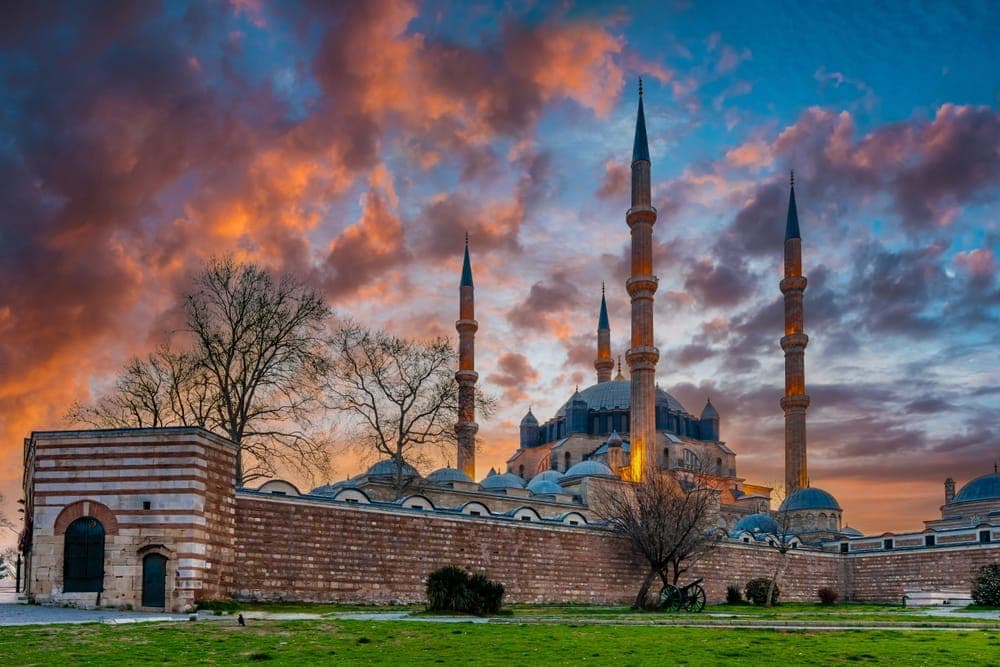
The Selimiye Mosque is the masterpiece that chief architect Mimar Sinan described as his crowning achievement, built in 16th-century Edirne for Sultan Selim II. With its vast dome and four slender, soaring minarets, it is considered the summit of Ottoman architecture. The mosque was inscribed on the UNESCO World Heritage List in 2011.
Sinan's crowning work
As the Ottomans' chief architect, Mimar Sinan produced countless works over his long career; yet he called the Selimiye Mosque his most important work, his "masterpiece." The mosque was completed in the second half of the 16th century by order of Sultan Selim II.
Here Sinan brought the idea of space and dome he had worked on for years to its most mature form. The mosque is regarded as a summary of the architect's technical and aesthetic mastery.
The dome, minarets and UNESCO
Selimiye's most striking feature is the vast central dome that covers a broad interior without interruption. This dome was one of the most ambitious engineering feats of its time. The four slender, very tall minarets surrounding the mosque define the city's skyline.
The interior is adorned with İznik tiles, calligraphy and refined marble work. For its outstanding universal value, the Selimiye Mosque and its complex were inscribed on the UNESCO World Heritage List in 2011.
Frequently Asked Questions
Who built the Selimiye Mosque?+
The mosque was built in the 16th century by the Ottoman chief architect Mimar Sinan by order of Sultan Selim II.
Why did Sinan call Selimiye his masterpiece?+
Sinan called Selimiye the peak of his career, his masterpiece, because he brought his design of space and dome to its most mature level here.
Updated: June 2026
